Understanding Contractor Insurance Coverage Types
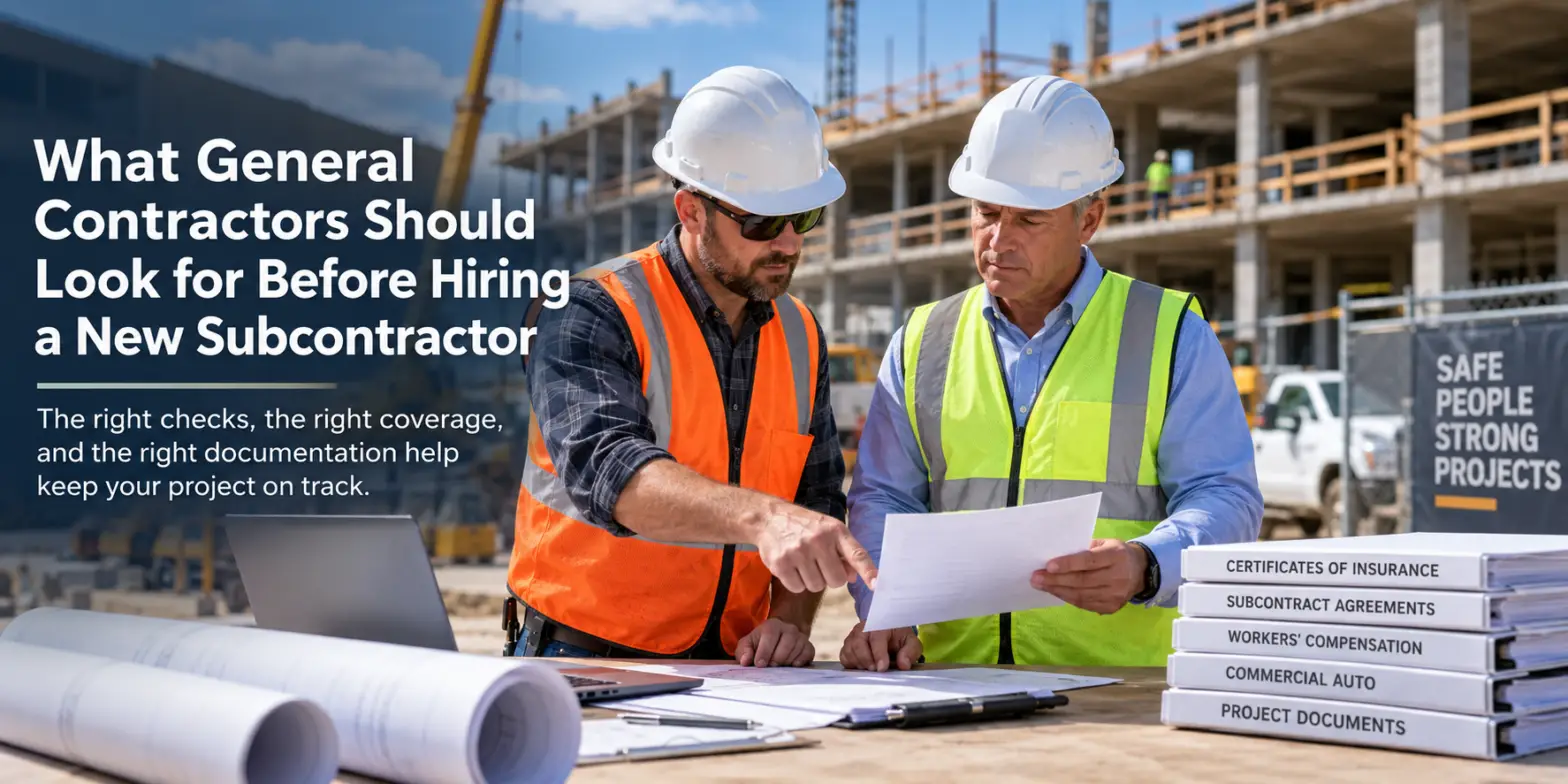
Contractor insurance encompasses various coverage types tailored to meet the unique needs of construction professionals. These include general liability, workers' compensation, and professional liability, each designed to protect contractors from different risks associated with their work.
For example, general liability insurance covers third-party bodily injury and property damage claims, while workers' compensation provides benefits to employees injured on the job. Understanding these coverage types helps contractors choose the right insurance to safeguard their business and comply with legal requirements.
Common Mistakes Contractors Make in Insurance
Many contractors fall prey to common pitfalls when it comes to managing their insurance policies. These mistakes can lead to inadequate coverage, increased premiums, or even legal issues that could jeopardize their business.
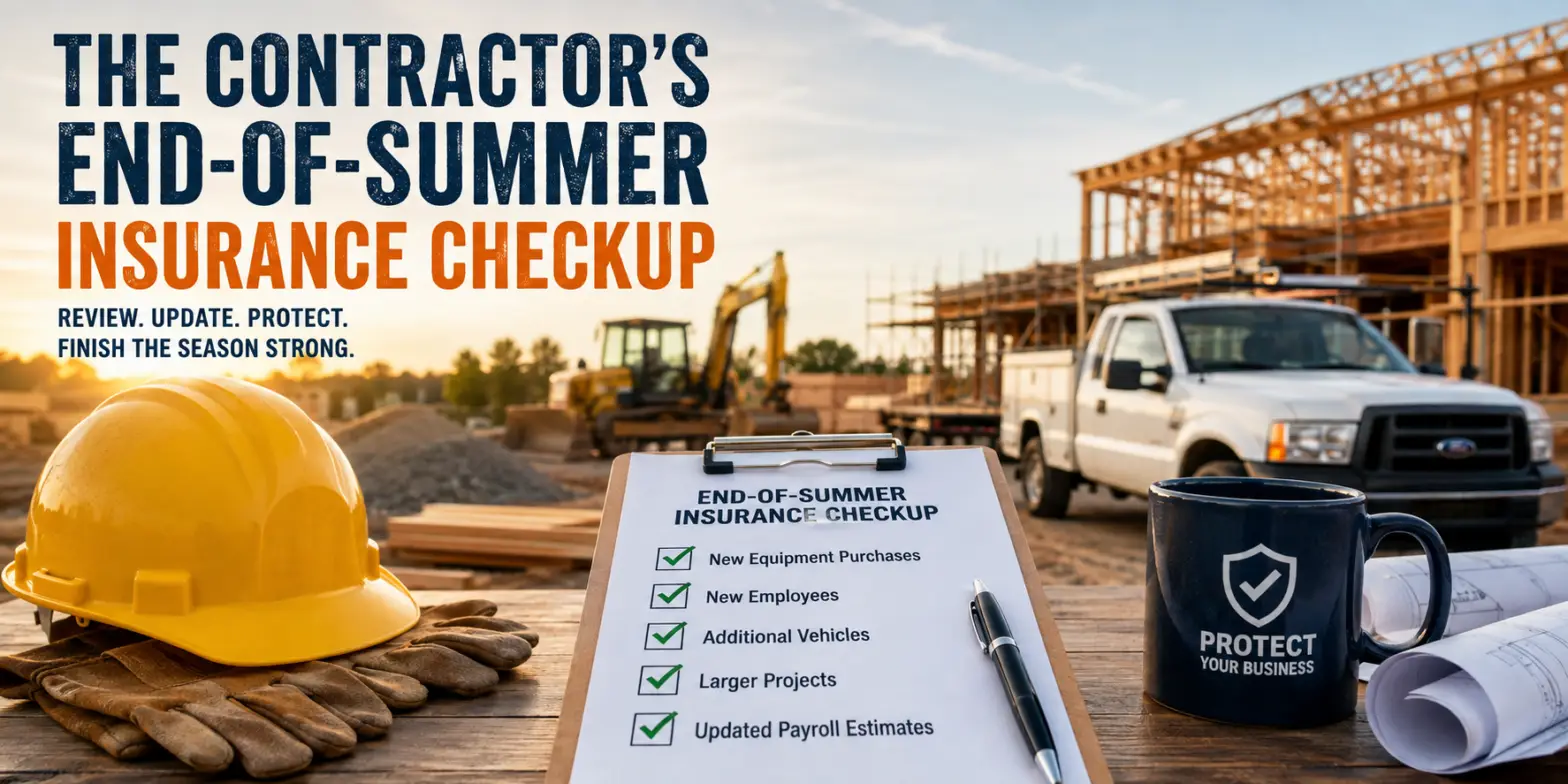
For instance, failing to regularly review and update insurance policies can result in gaps in coverage as businesses grow or change. Additionally, not fully understanding the terms and conditions of their policies can lead to unexpected out-of-pocket expenses during claims. Educating oneself on these mistakes is crucial for effective risk management.
The Importance of Certificates of Insurance
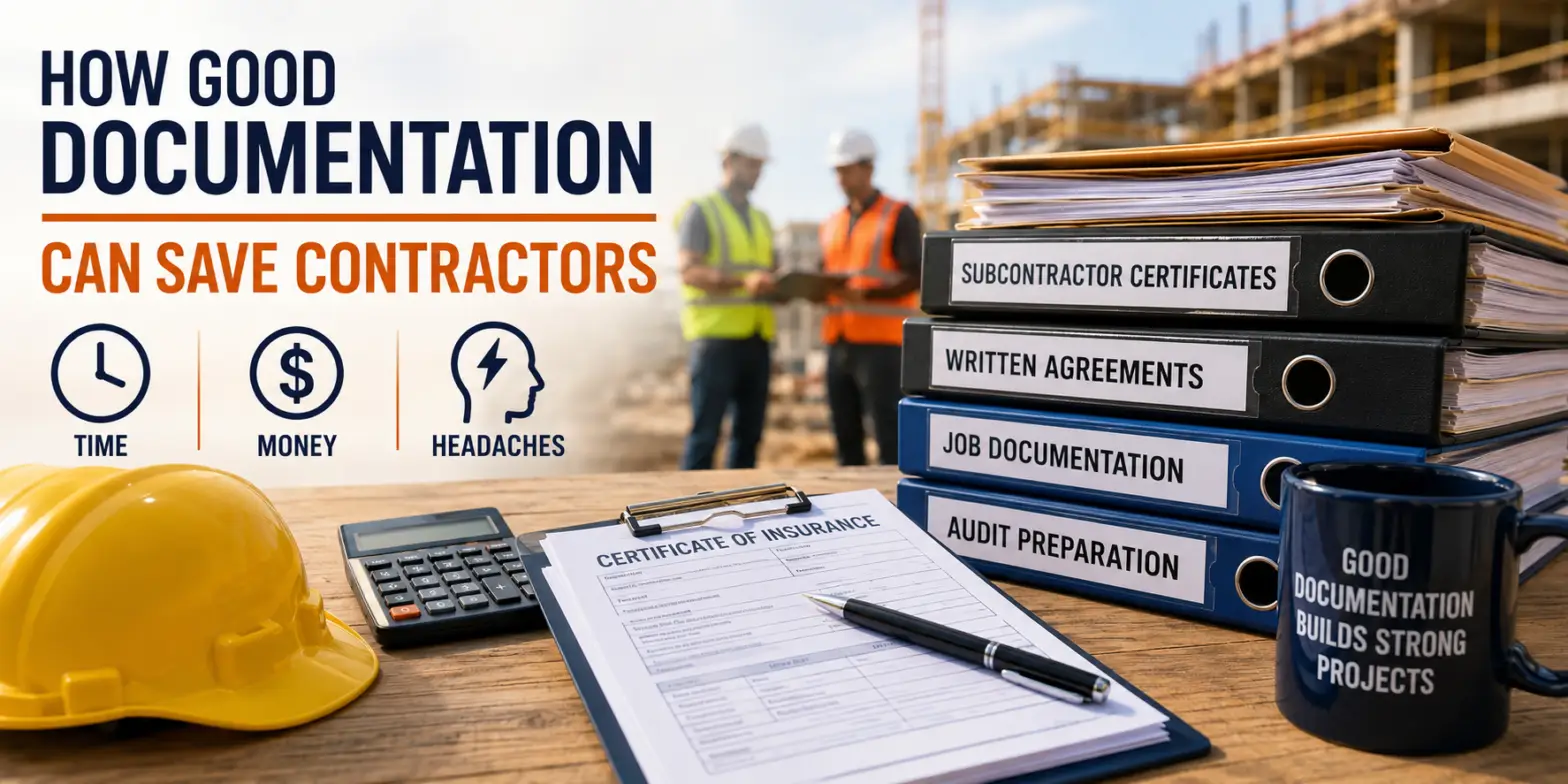
Certificates of insurance (COIs) serve as proof that contractors hold the necessary insurance coverage required for their operations. They are often requested by clients and project owners to ensure that contractors are adequately insured before work begins.
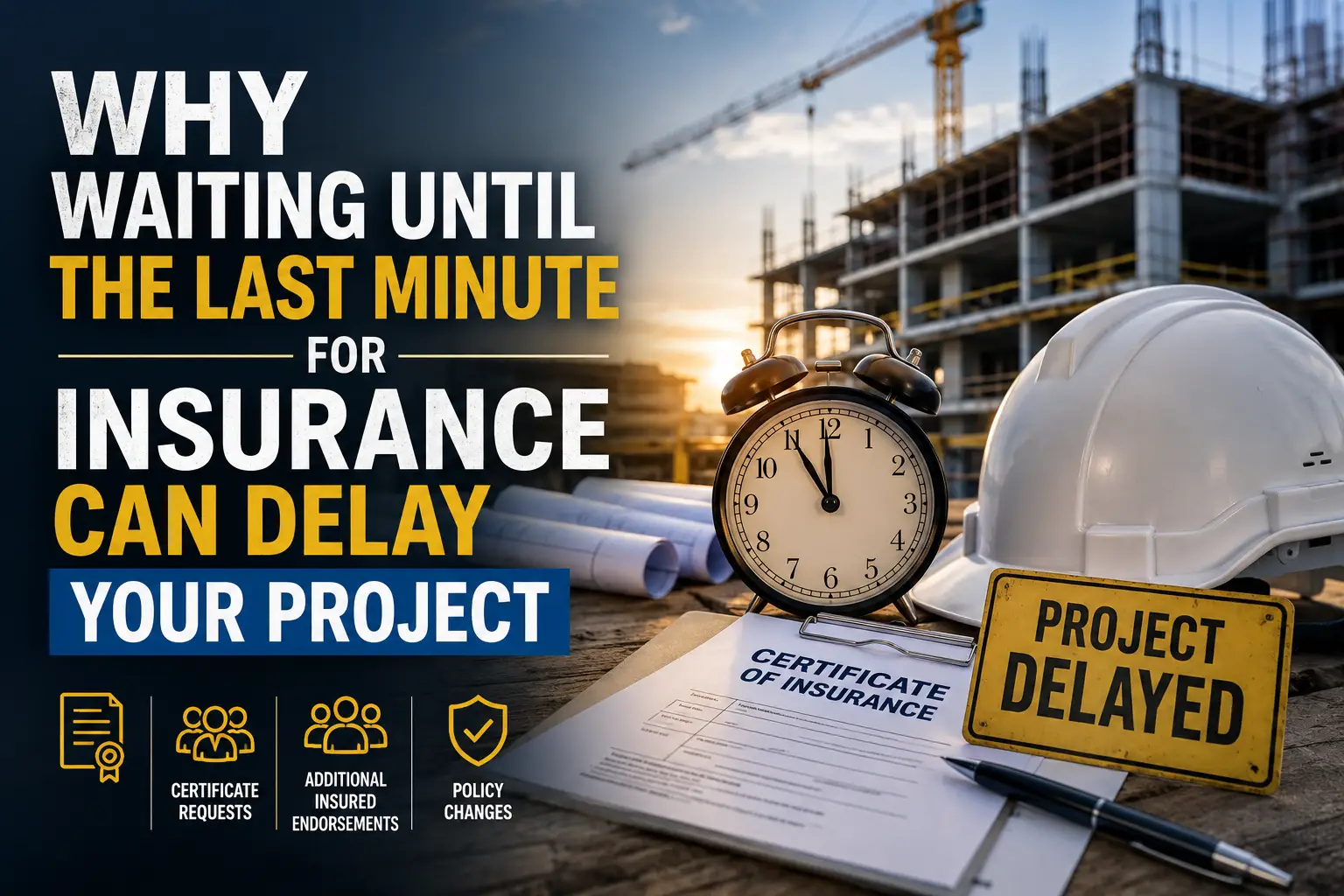
Having a valid COI not only builds trust with clients but also protects contractors from potential liabilities. It is essential for contractors to understand how to obtain and maintain their certificates, as well as the specific insurance requirements for different projects to avoid delays and ensure compliance.
Risk Management Strategies for Contractors
Effective risk management is vital for contractors to minimize potential losses and ensure the longevity of their business. Implementing strategies such as regular safety training, thorough project planning, and comprehensive insurance coverage can significantly reduce risks associated with construction projects.
Moreover, maintaining open communication with subcontractors and clients about safety protocols and insurance coverage can foster a safer work environment. By proactively addressing risks, contractors can protect their investments and enhance their reputation in the industry.